Is Mexico Really That Different?
By sheer coincidence, when I was still living in Colorado and considering moving or retiring to Mexico someday, I happened to date a Mexican from Cancún who worked as as auditor for a global commercial insurance company. He had two masters degrees and was working toward his PhD in accounting at the University of Denver. A smart guy, I thought (Although I enjoyed the way he said it more : “I thol you so!...I eeem very smart!”)
Green-eyed, fair skinned and an only child, he challenged everything I thought I knew about Mexico. He liked to tell me that, like America, Mexico is a diverse country. At one point he almost had me convinced that I could find pale, green-eyed people all over Mexico.
The more I thought about moving to Mexico, the more the typical American perceptions and fears would bubble up and spill out my mouth. I would query fearfully about what it would be like to live there. How different! How dangerous!
Upon hearing my remarks, He’d scrunch up his face like he smelled garbage, shake his head and say, “Es igual. Es igual.” After his seven years in the States, his opinion was that life in America and Mexico was all “igual,” or the same, here and there.
I had all the same prejudices as anyone who depended on newspapers, hearsay and in my case, memories of trips across the border from San Diego in the 80's to dance and drink. I had a lot to learn.
I would raise my alarm about violence and drug cartels. He would raise his mock alarm about violence in elementary schools and theaters. I would wag my finger about Mexican police corruption. He would wonder out loud about American corporate and political contributions. How could lobbying possibly be legal in the U.S? Why do policemen keep killing unarmed black men, he'd smugly inquire.
“Why are there so many half-built, abandoned apartment buildings in Mexican towns?” I’d ask innocently. He would roll his eyes and ask why Americans always bragged about “owning their homes” when the banks actually owned them (In Mexico, people usually buy their homes outright, or at least make larger down payments).
As an American who’s lived in Mexico over 12 years now, I know his assessment was an oversimplification. Ours are, after all, very different different cultures. I have no doubt that Mexicans think differently in fundamental ways, shaped by a 2,000 year-old culture that has its own answers.
On a day-to-day level in Mexico, the differences in how people communicate was immediately clear. Within only a few days after arriving to Mazatlán, I noted the Mexican inability to say “no.” “I don’t know” isn’t very popular either. The Mexican philosophy about how to answer questions reflects a tendency to create an answer that’s their best shot at guessing what you want to hear. Mexicans are much more diplomatic. Courtesy still counts in Mexico. On the other hand, Mexicans are fatalists, your death is destiny. American culture is naively positive. We’re death deniers.
However, my Mexican friend makes a good point. For every negative observation you make about Mexico, you can quickly and easily come up with parallel in our own society. Tourists marvel at the inexpensive cost of street food in Mexico, but then we have value meals in America too. Context is everything.
As my fresa friend from Cancún reminded me, we can just as easily be taken for a ride in the American marketplace as we can in a Mexican Plazuela …es igual. Once I complained to him about being taken advantage of by a teenage vendor in a mercado who correctly assessed my lack of knowledge about the price of tamarindo candy.
At least the she looked me in the eyes, without flinching, before she asked for $15 for 50 cents worth of candy. Dick’s Sporting Goods asking $65 for a yoga mat doesn’t garner near the same respect.
When I am struggling in a conversation in Spanish, we often find ourselves digging around frantically for the right word, only to discover to our relief that the word we need is almost the same in both English and Spanish. These words are known as cognates.
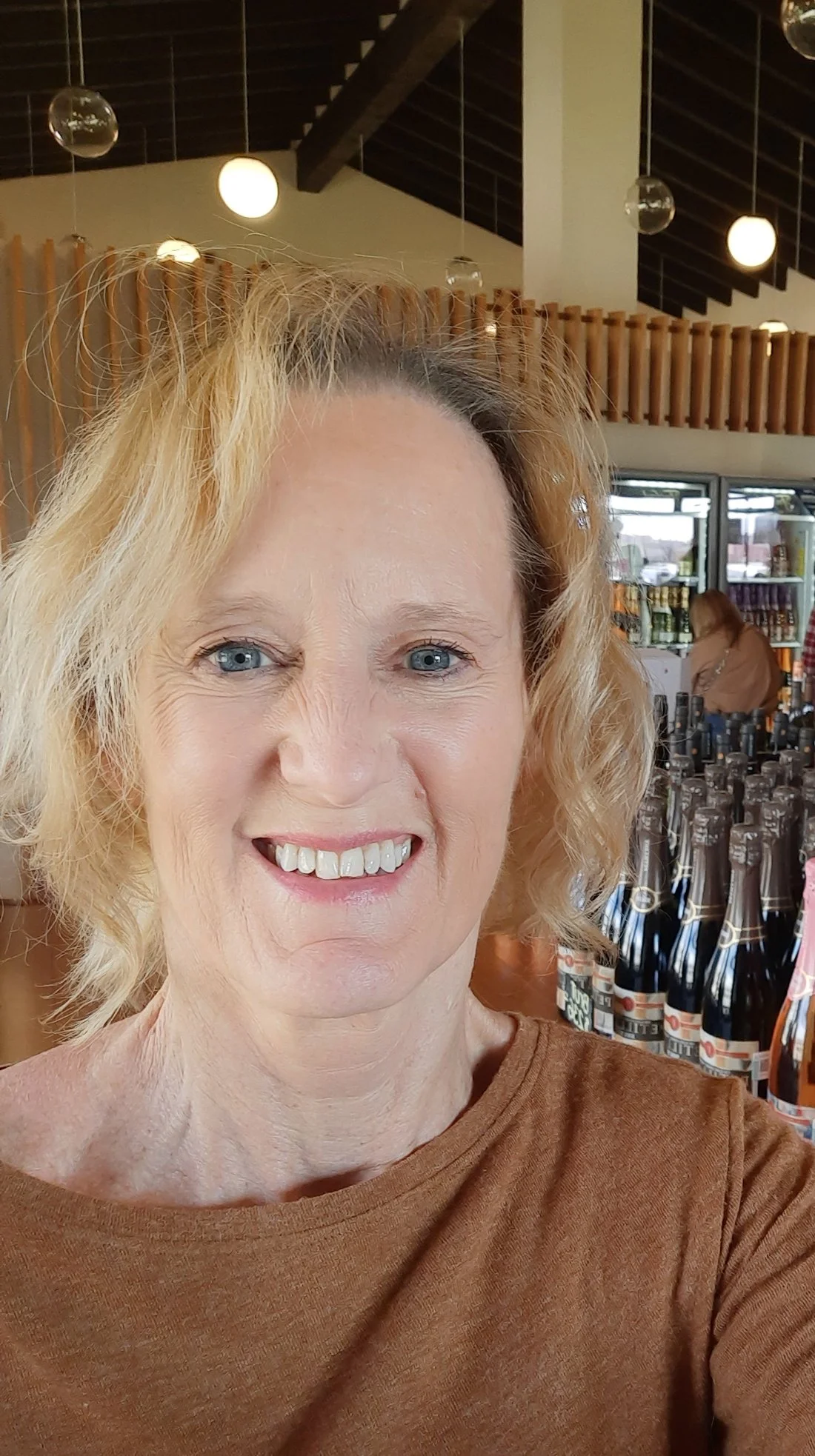
Between 30-40% of words in English have a similar word in Spanish. Sentences in both languages have the same basic structure. They have the same grammatical parts, adverbs, adjectives and so on. You quickly learn the little modifications that turn an English word into a Spanish word, just as Julian knew all the little modifications that turned Mexican problems into their American equivalent.
If our countries’ languages have so much in common, why should we be surprised that our cultures’ defects do too?
About the author:
Kerry Baker is the author of several books. The second book is “If Only I Had a Place,” giving you the benefits, pitfalls and opportunities of renting long-term in Mexico. The Mexico Solution: How to save your money, sanity and quality of life through part-time life in Mexico, is the cumulation of all I know, love and want to teach you about expat life.
Her most recent book, “The Lazy Expat: Healthy Recipes That Translate in Mexico” is a cookbook for travelers, snowbirds and expats. (spoiler: to maintain a healthy diet in Mexico, you must cook.)